Drainage Grading Services for Property Owners
Visitors will learn how local contractors provide drainage grading services and can be contacted to compare options for their property needs.
- - Residential property owners seeking proper ground leveling and drainage solutions.
- - Commercial or industrial sites requiring effective grading to prevent water accumulation.
- - Homeowners planning landscape or foundation projects that need reliable drainage grading services.
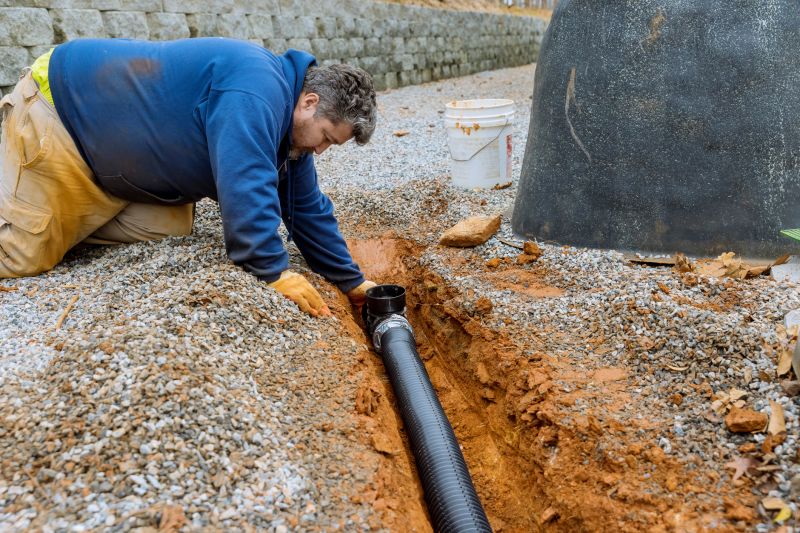
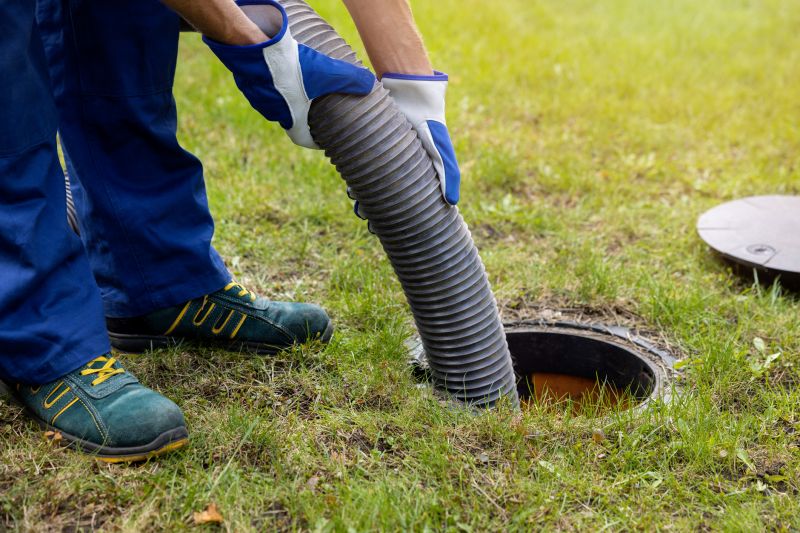
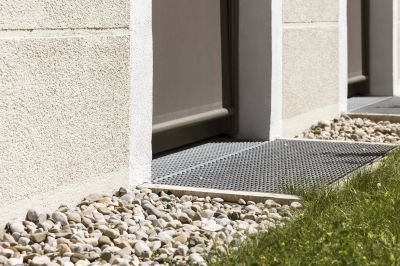
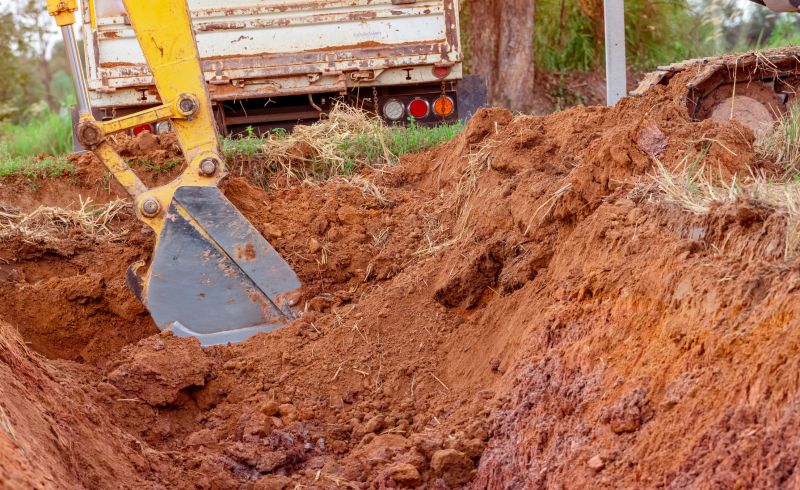
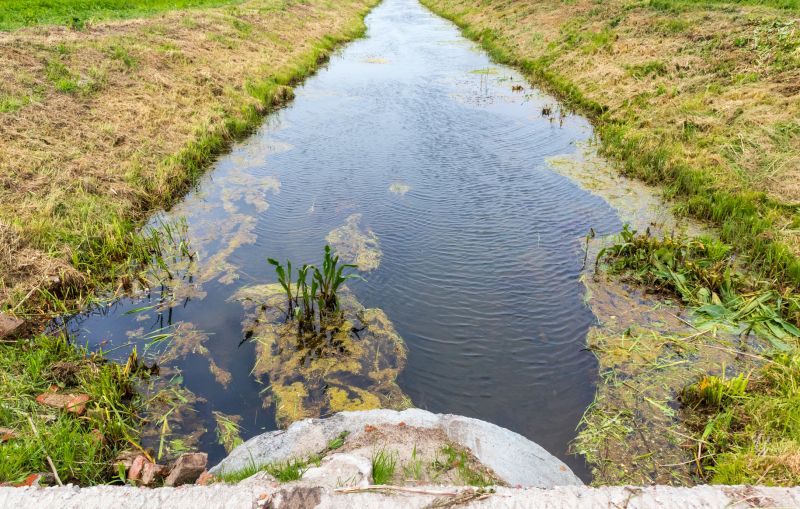
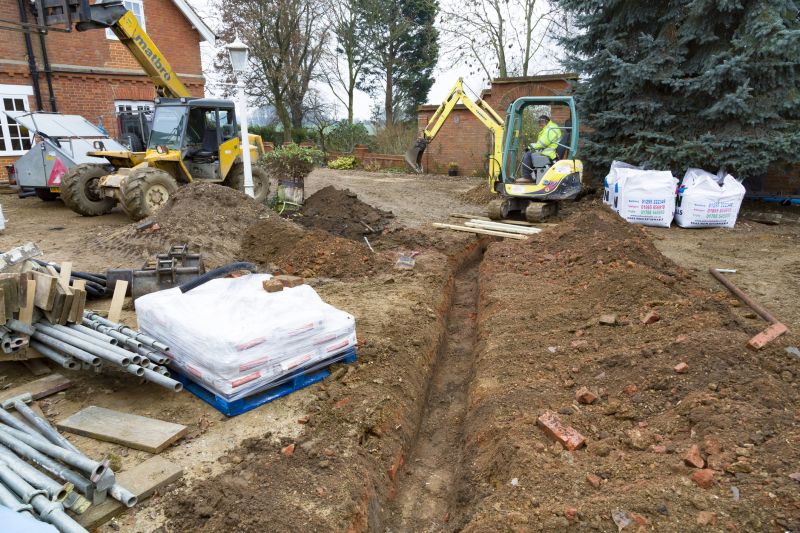
Drainage grading services involve the assessment and shaping of land to ensure proper water flow away from structures and across a property. Local contractors who specialize in drainage grading typically evaluate the terrain, identify areas prone to pooling or erosion, and then create a sloped surface that directs water efficiently. Property owners often seek these services when preparing a site for construction, addressing existing drainage issues, or improving landscape features to prevent water damage and foundation problems.
Connecting with experienced local service providers can help property owners find solutions tailored to their specific needs. These professionals use a variety of techniques and equipment to perform grading work, ensuring the land is shaped correctly for optimal drainage. By working with local pros, property owners can compare options, gain insights into the scope of work involved, and choose the right provider for their drainage grading projects.
This guide provides helpful information to understand the essentials of drainage grading projects. It assists in comparing local contractors and service providers, making it easier to find qualified professionals. The content is designed to help visitors gather the basics needed to connect with the right local experts for their drainage needs.